Measurements

Once children have learned more basic concepts such as numbers and sizes, they are ready to learn about measurements. Measurements involves using an instrument in order to determine the size, amount or degree of an object. Children may learn about measuring by using non-standard units by using concrete objects, and then move on to standard units using rulers or other instruments, but it can still be done through fun games and activities.
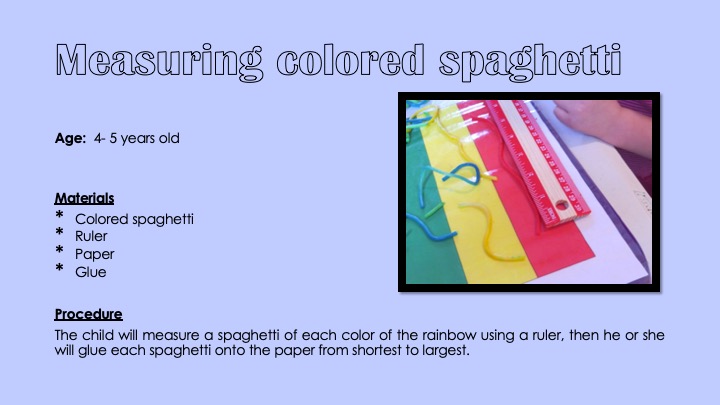
Source: https://teachpreschool.org/2013/02/09/measuring-and-creating-with-colored-spaghetti/?utm_source=feedburner&utm_medium=email&utm_campaign=Feed:%20TeachPreschool%20(Teach%20Preschool)
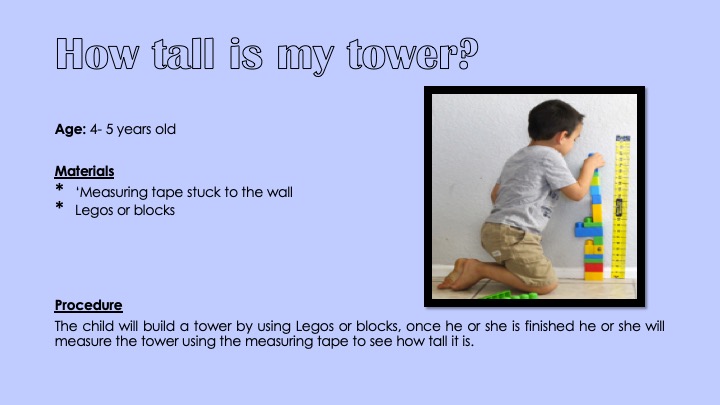
Source: https://munchkinsandmoms.com/preschool-build-and-measure-center/
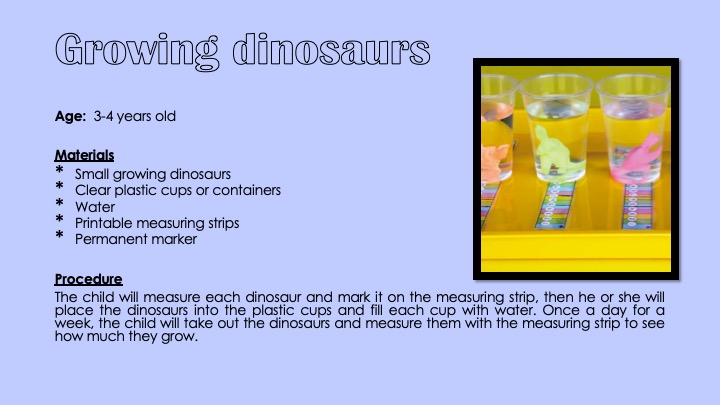
Source: https://earlylearningideas.com/measurement-activities-for-preschoolers-measure-growing-dinosaurs-free-printable/?utm_medium=social&utm_source=pinterest&utm_campaign=tailwind_smartloop&utm_content=smartloop&utm_term=20458462
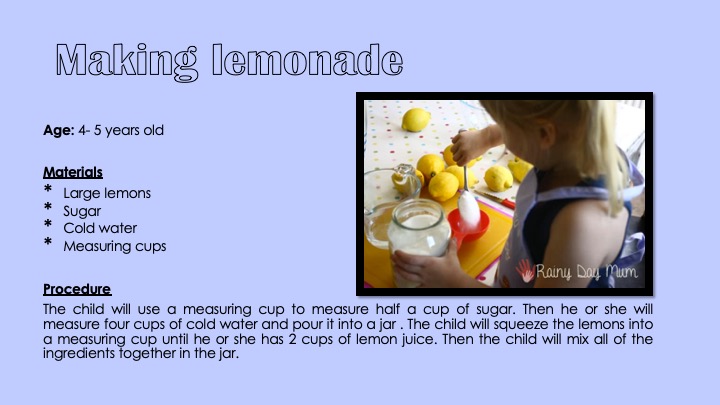
Source:http://www.jumpstart.com/common/making-lemonade-with-mom
Source: https://nurturestore.co.uk/learn-to-tell-the-time-clock-craft

Sorting

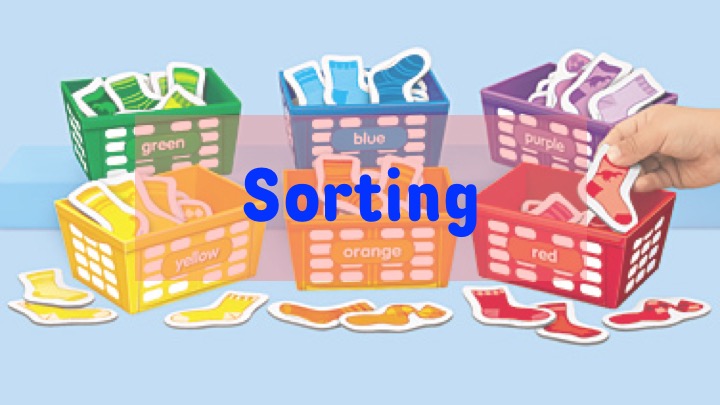
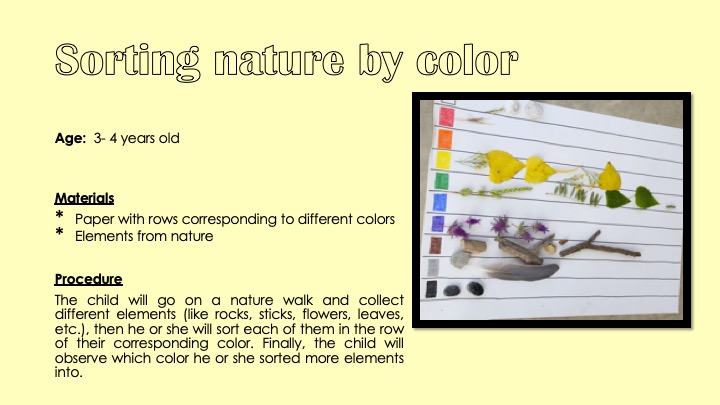
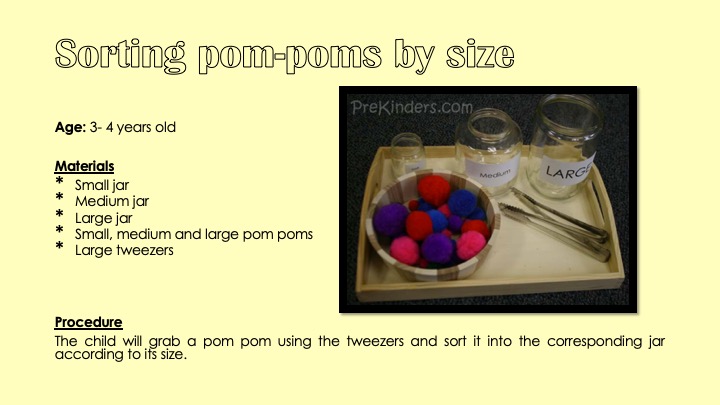
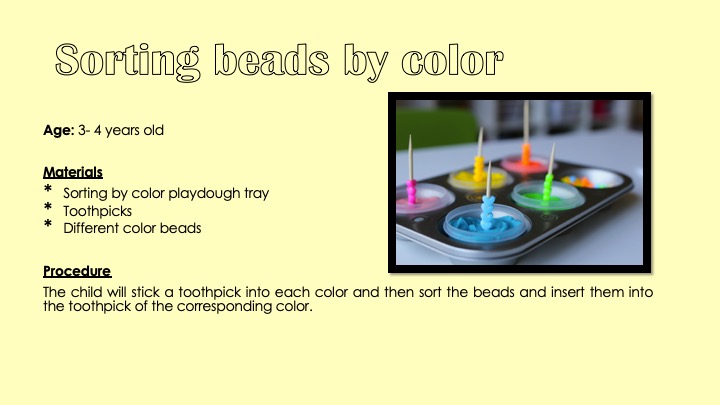
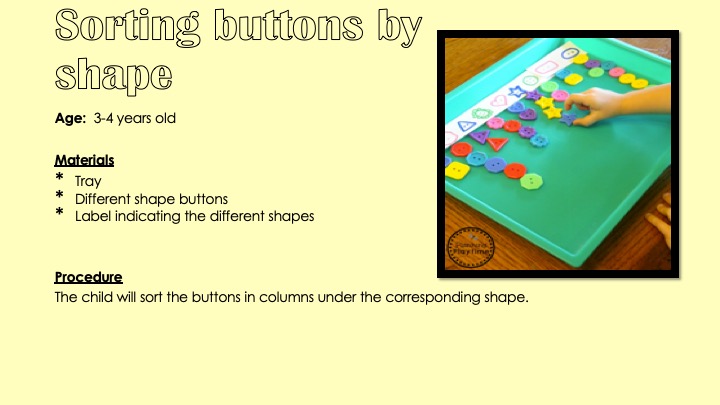
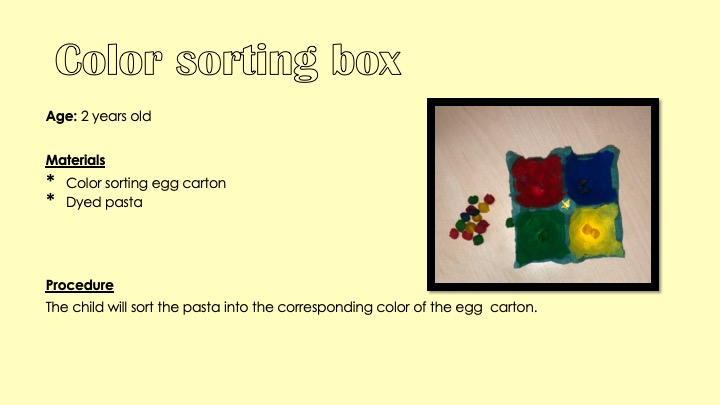
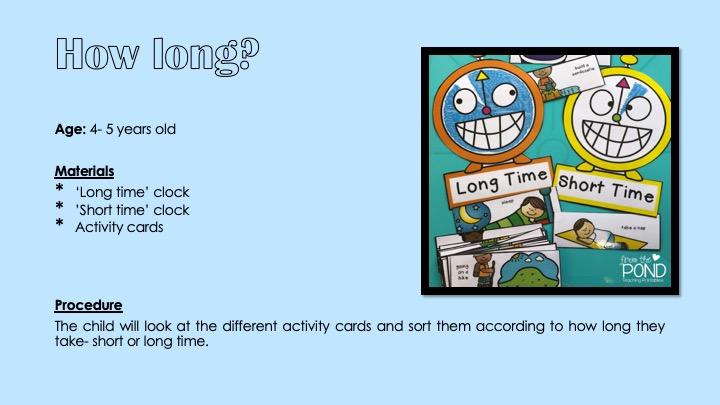
In order to understand our world, we are constantly classifying, categorizing and SORTING. Children can learn this skill through fun mathematic activities starting with concepts they already master such as colors, size, and shape. Sorting always involves using concrete materials so it is easy to make do with what you have at hand!

Source: https://frugalfun4boys.com/preschool-activity-sorting-counting-graphing/
Source: https://www.prekinders.com/size-sorting/
Source: https://www.notimeforflashcards.com/2016/08/sorting-trays-preschool.html
Source: https://planningplaytime.com/sorting-activities-for-preschool

Addition and subtraction

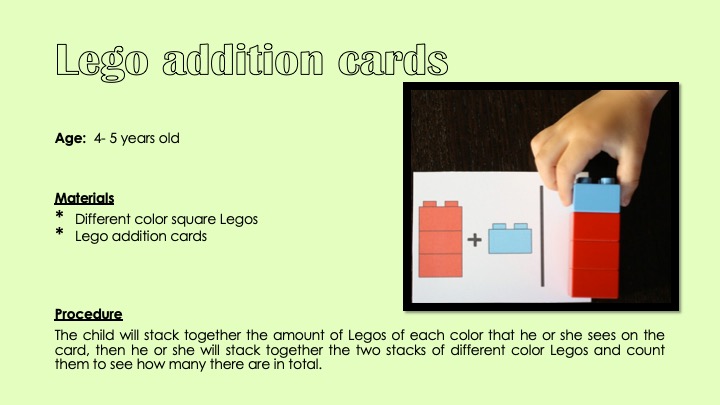
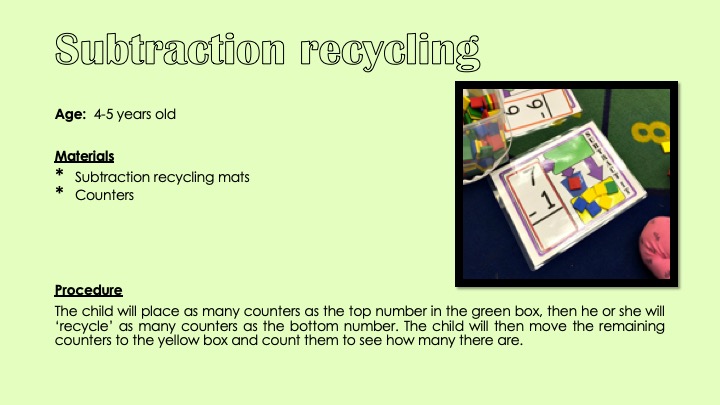
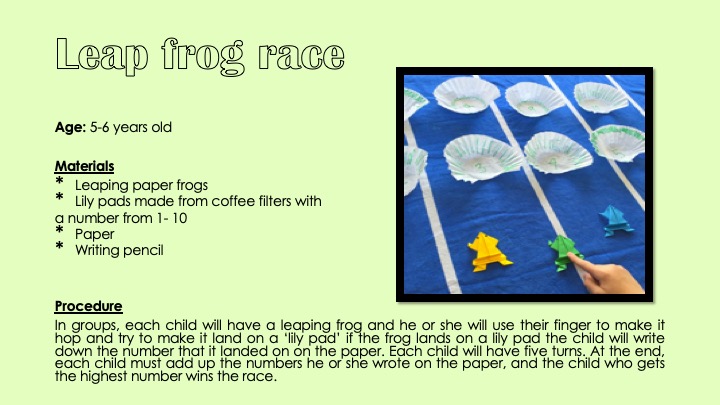
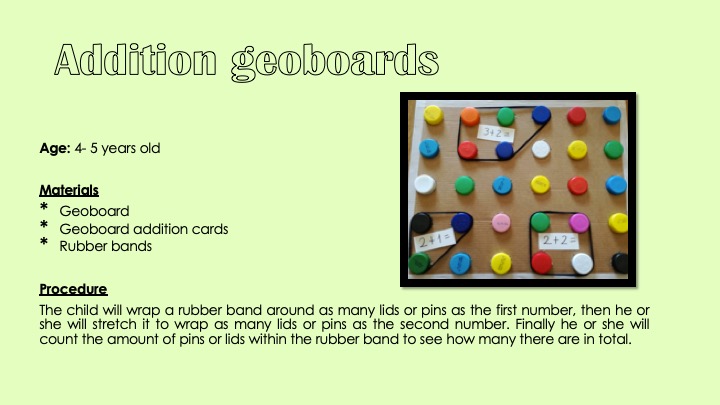
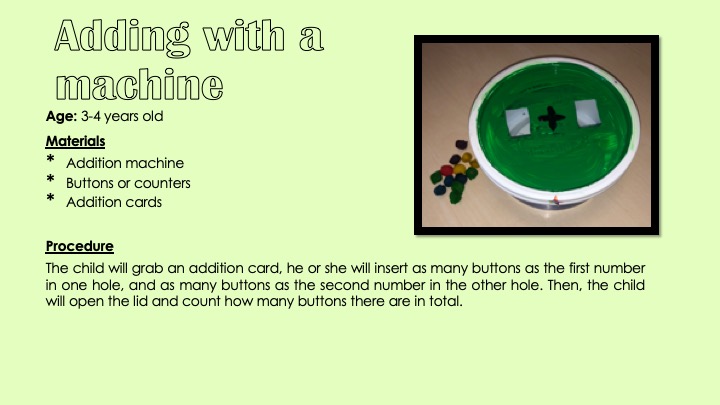
After children learn to identify numbers and count, they have the basics to understand quantity, so they are ready to start adding and subtracting. Though these are the most simple mathematic operations, they can be very abstract so it is important that children learn to do it by using concrete materials.

Source: https://www.playdoughtoplato.com/lego-addition-cards/
Source: http://www.confessionsofahomeschooler.com/blog/2010/04/subtract-it-math-game.html
Source: https://teachbesideme.com/leap-frog-math-game/?utm_content=bufferc1aff&utm_medium=social&utm_source=pinterest.com&utm_campaign=buffer
Source: https://www.facebook.com/PiccoloMondoCreativodiMarianna/photos/ms.c.eJwFwYENADAIw7CPphWoaP5~;DBuF3W85TeqhkIbUgOcAZ~_YGgg~-~-.bps.a.693041174177572.1073741855.203613803120314/918983998249954/?type=3&theater

Patterns

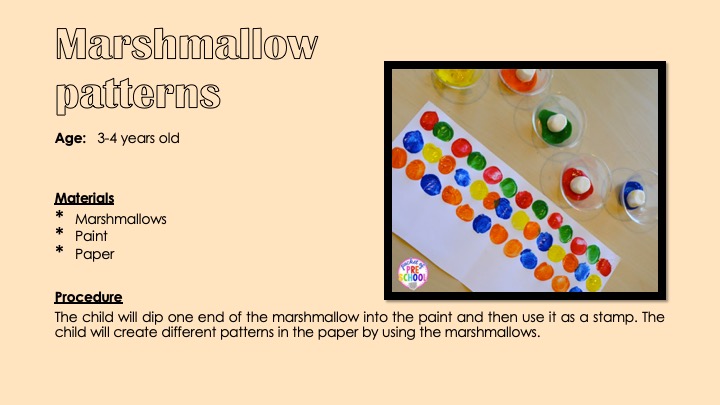
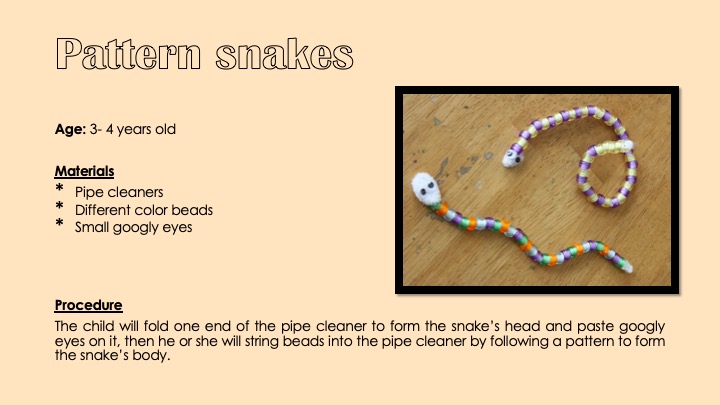
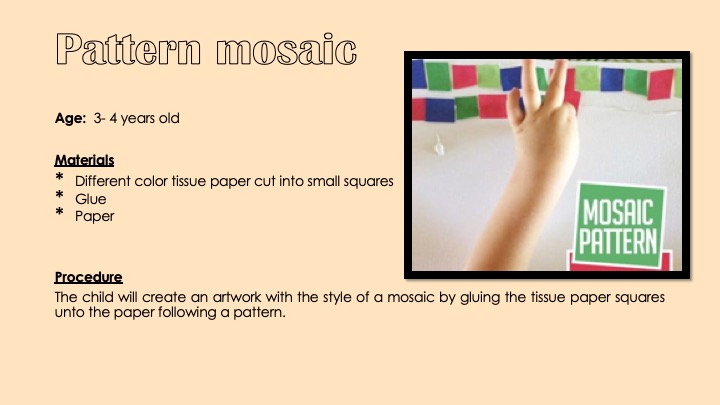
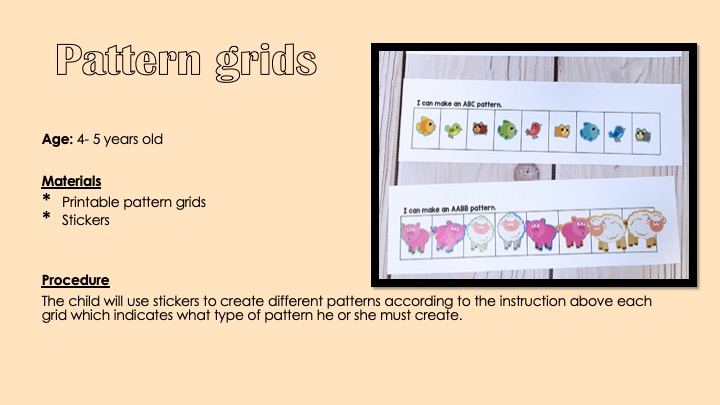
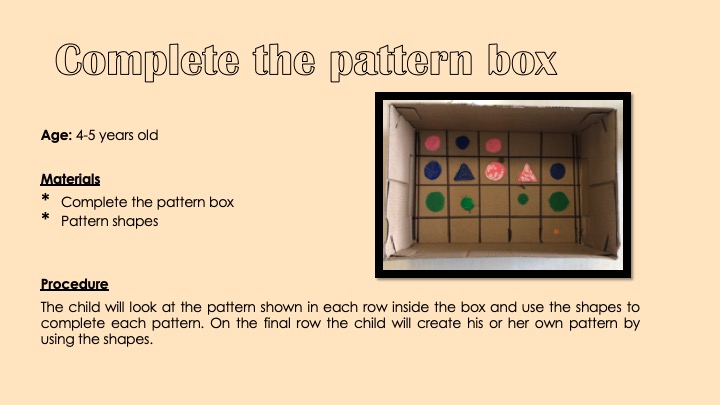
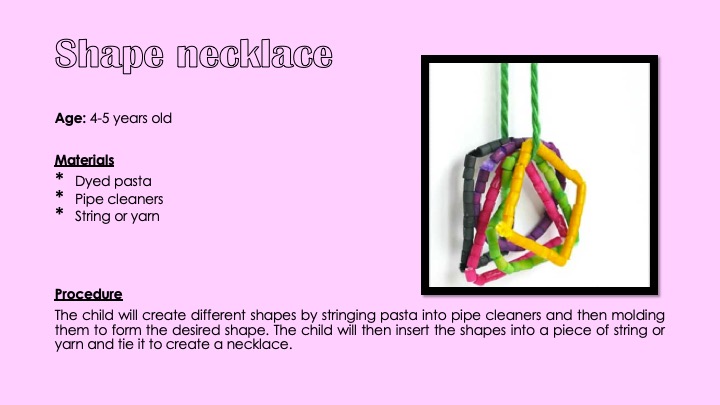
Patterns are all around us, children must learn to recognize them as well as create them because they will surround them for the rest of their lives. When learning about patterns children can experiment with different types and also they can create the using different shapes, colors and sizes.
Source: https://pocketofpreschool.com/camping-centers-and-activities
Source: https://frugalfun4boys.com/pattern-activities-preschool-kindergarten/
Source: https://handsonaswegrow.com/mosaic-pattern-art-activity-fine-motor/
Source: https://www.prekinders.com/pattern-grids/

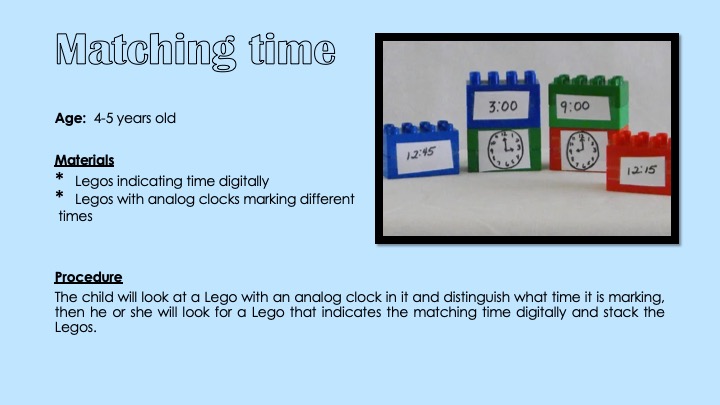
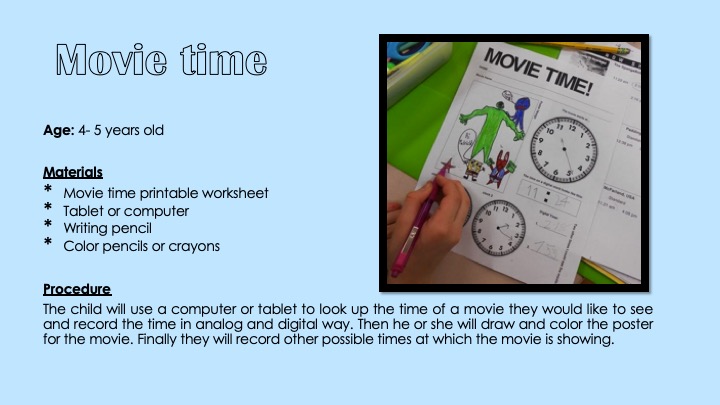
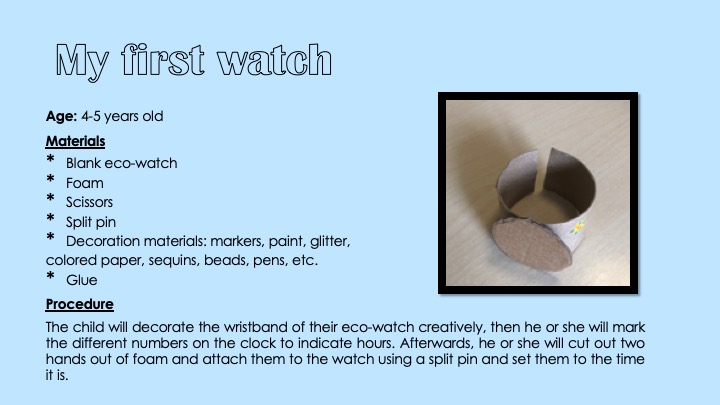
Time

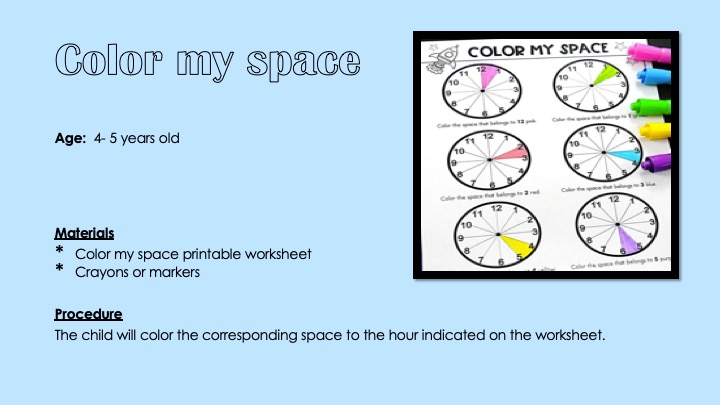
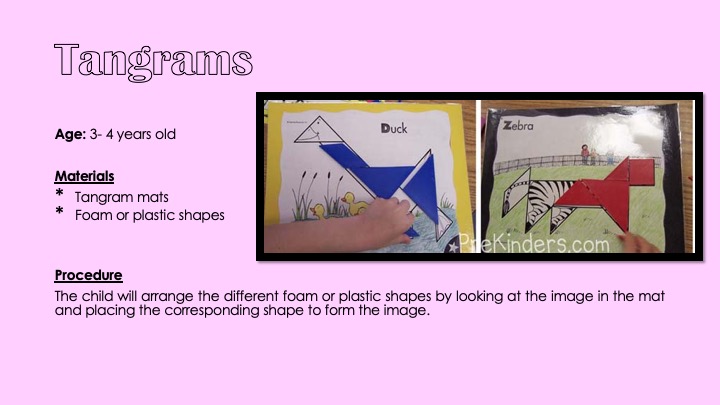
Time can be a very abstract concept for children to understand, however during their preschool stage they can start learning how to tell the time by using an analog or digital clock or watch. This can help them better grasp the concept of time which they will have to manage for the rest of their lives.
Source: https://aroundthekampfire.com/2018/02/teaching-kids-tell-time-past-the-hour.html
Source: https://frompond.blogspot.com/2017/12/activities-for-telling-time.html
Source: https://www.education.com/activity/article/telling-time-matching-game/
Source: https://www.weareteachers.com/5-hands-on-ways-to-teach-telling-time/
Source: https://nurturestore.co.uk/learn-to-tell-the-time-clock-craft

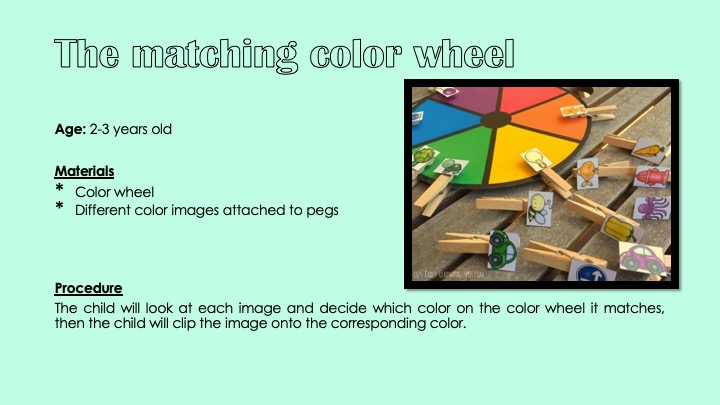
Colors

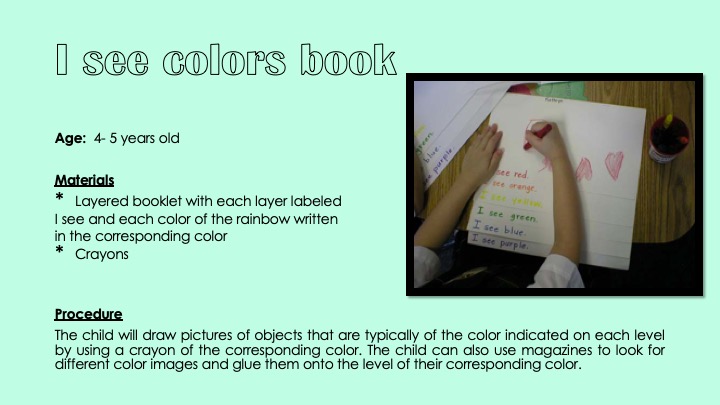
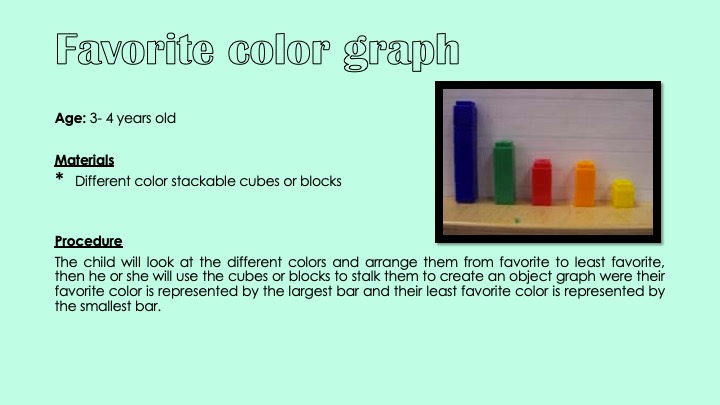
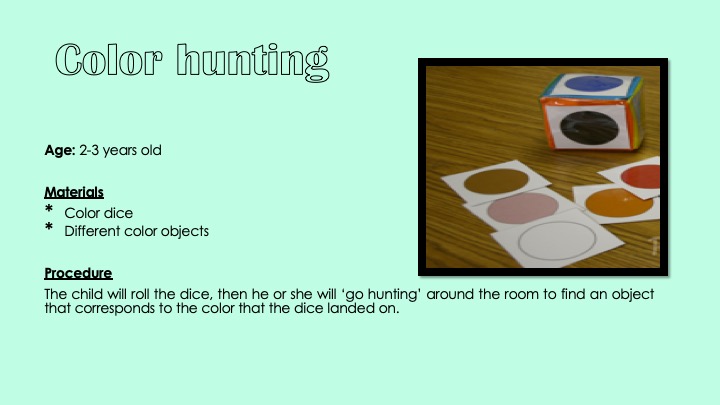
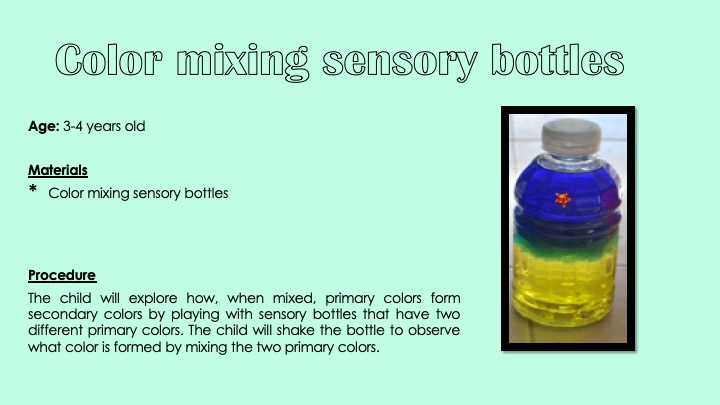
One of the first mathematical concepts that children must learn is colors since they are present in our everyday lives. Children notice that everything around them has different colors, that is one of the first characteristics they distinguish in an object. As children experience and learn about the world, they are surrounded by colored objects, they are the main way in which they describe and categorize the world that they are constantly learning about. As with other mathematical concepts, it is best to teach colors through  playful life experiences that might also stimulate other areas, to achieve meaningful learning so that the children store the information in their ‘folders’.

Source:http://www.lizs-early-learning-spot.com/matching-colors-when-you-only-have-a-minute/
Source: https://www.prekinders.com/color-ideas/
Source: https://www.bakerross.co.uk/craft-ideas/kids/colour-mixing-sensory-bottles/

Numbers and counting

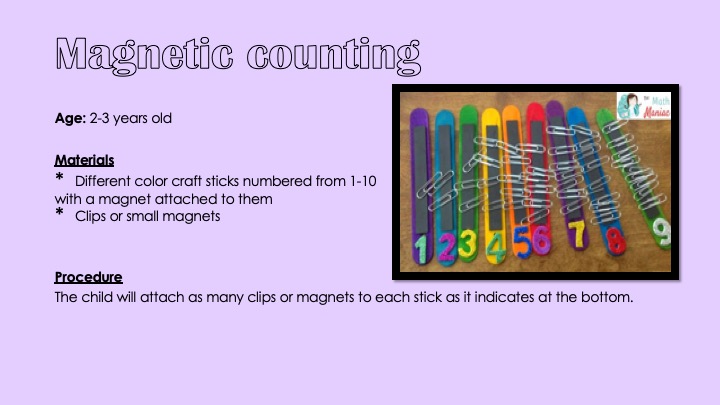
Source:

http://theelementarymathmaniac.blogspot.com/2014/07/quick-and-fun-math-practice-for-little.html
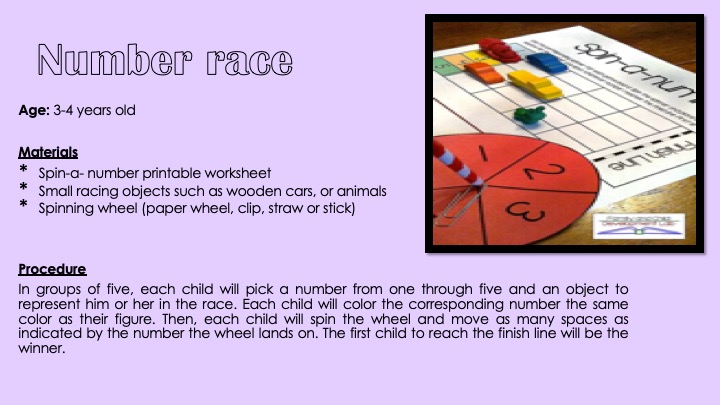
Source: http://www.familyandchilddevelopmentlab.com/single-post/2017/04/25/5-Number-Sense-Activities-that-will-Boost-your-Scores?utm_campaign=tailwind_tribes&utm_content=tribes&utm_medium=social&utm_source=pinterest&utm_term=551772182_19478706_35725
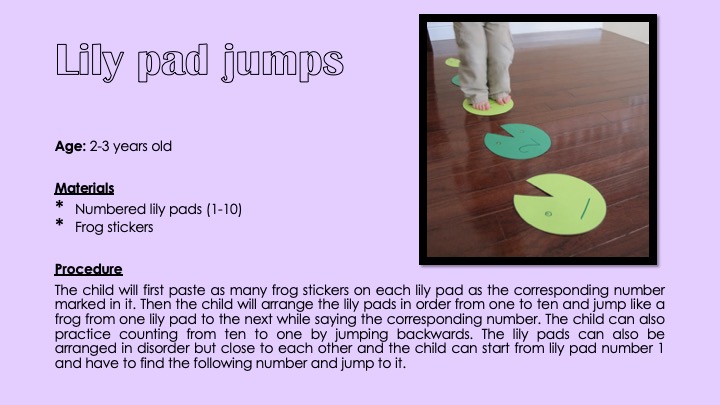
Source: https://www.toddlerapproved.com/2011/05/lily-pad-hop.html
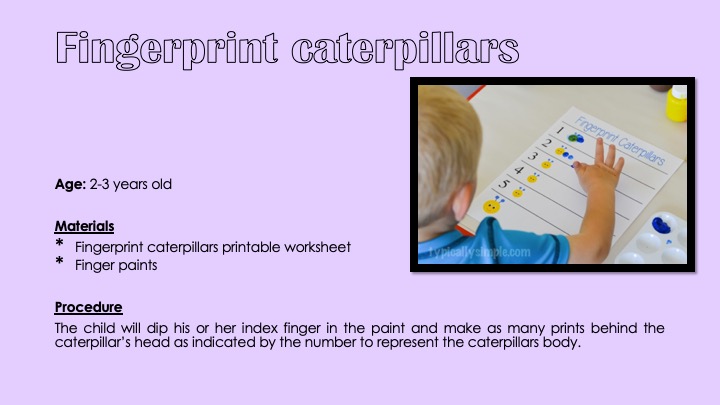
Source: https://typicallysimple.com/fingerprint-caterpillars-craft/
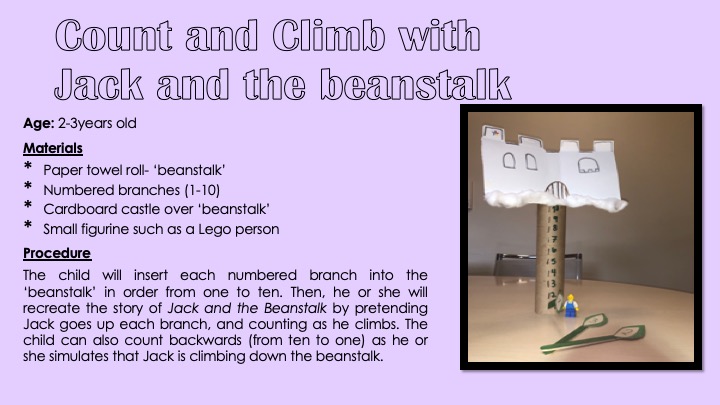
Souhttps://rainydaymum.co.uk/count-climb-jack-and-the-beanstalk/rce:

Exploring the color ORANGE

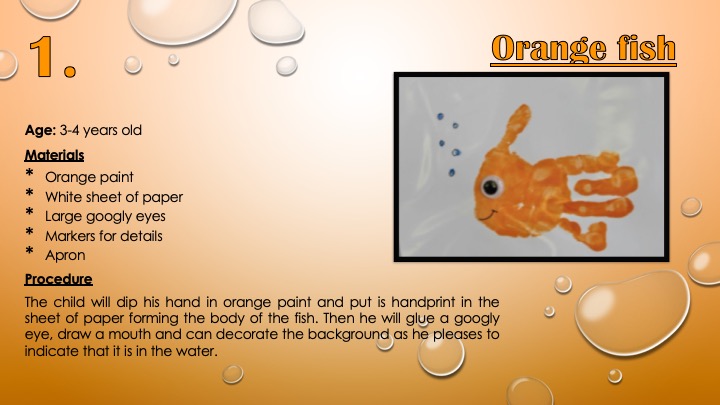
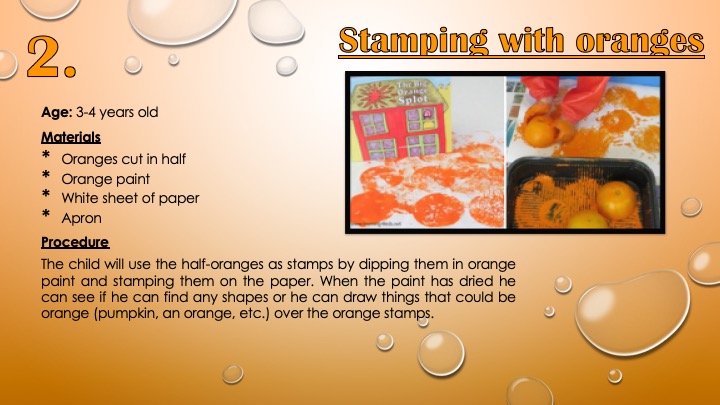
Colors are all around us, which is why as children begin to explore and understand the world around them, color is one of the first characteristics that they identify when they see an object. It is very important that your child learns to recognize the different colors because this allows him to notice, match, sort and label the objects that surround him on his everyday life.  Recognizing colors can be a tricky skill because in order to do so the child has to know the color words and be able to identify the abstract characteristics of each color. For this reason, it is important that you introduce each color one by one, providing the child with plenty of hands-on activities and giving him enough time to get familiar with each color. When learning secondary colors there are plenty of fun and creative activities you can use to introduce the color orange, I’ve selected a few of them that I think you and your child will enjoy doing together.

https://happyhomefairy.com/teaching-colors-orange/
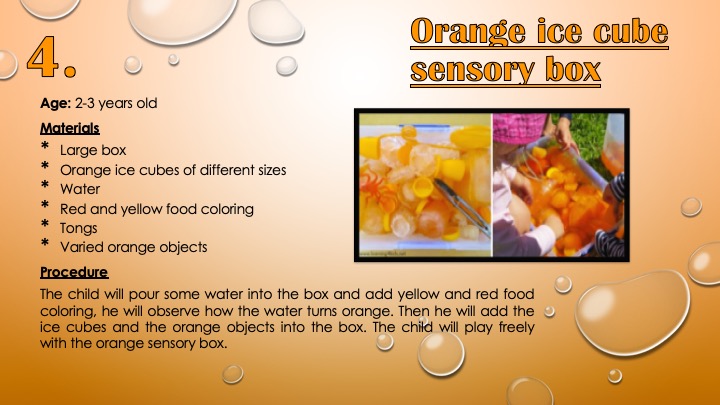
https://www.learning4kids.net/2013/05/15/learning-colours-orange/
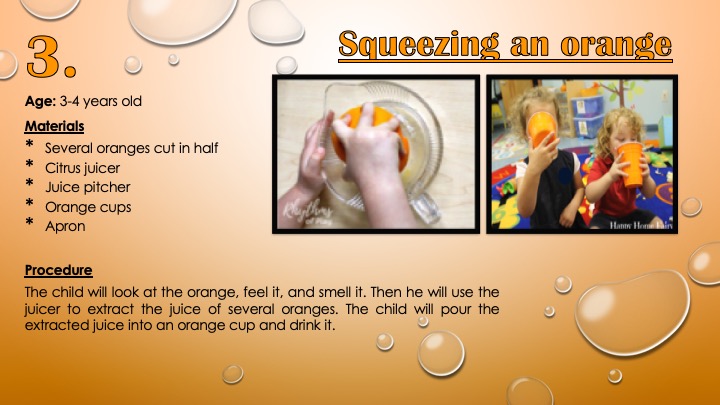
https://rhythmsofplay.com/squeezing-an-orange-montessori-practical-life-activity/
https://www.learning4kids.net/2013/05/15/learning-colours-orange/